4
Quizzes
Topic
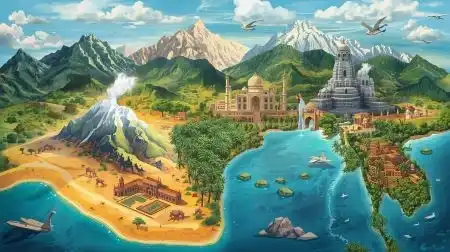
Indian Geography
Indian Geography encompasses the physical, climatic, ecological, and human geographic features of India — the seventh largest country in the world by area and the most populous nation on Earth. Situated in South Asia, India stretches from the snow-capped Himalayan mountain ranges in the north to the tropical coastlines...
100
Questions
4.6/ 5.0
No reviews yet
12
Learners
100% Free
Untimed & Flexible
About Indian Geography
Indian Geography encompasses the physical, climatic, ecological, and human geographic features of India — the seventh largest country in the world by area and the most populous nation on Earth. Situated in South Asia, India stretches from the snow-capped Himalayan mountain ranges in the north to the tropical coastlines of the Indian Ocean in the south, and from the Thar Desert in the west to the lush green forests of the northeast. This extraordinary geographical diversity makes India one of the most geographically varied and naturally rich countries in the world. India's physical geography is divided into several distinct regions, including the Northern Mountain Region (Himalayas), the Indo-Gangetic Plains, the Deccan Plateau, the Coastal Plains, and the Islands (Andaman & Nicobar and Lakshadweep). The Himalayan range serves as a natural barrier protecting India from cold northern winds and plays a crucial role in shaping the country's climate and river systems. The major rivers of India — Ganga, Brahmaputra, Yamuna, Godavari, Krishna, and Cauvery — originate from these mountains and support the agricultural and economic activities of millions of people. India's diverse climate ranges from alpine cold in the Himalayas to arid desert conditions in Rajasthan, and from tropical rainforests in the Western Ghats to humid deltaic plains in the east. The monsoon season, which arrives between June and September, is the lifeline of Indian agriculture, supplying nearly 80% of the country's annual rainfall. India is also recognized as one of the world's biodiversity hotspots, home to unique flora and fauna including tigers, elephants, and the iconic Bengal tiger. Understanding Indian geography is fundamental to comprehending the country's agriculture, economy, resource distribution, environmental challenges, and regional development patterns.
Indian Geography - part 1
Not startedExplore the vast and diverse geography of India, including mountains, rivers, climate zones, and regions.
Start
Indian Geography - part 2
Not startedExplore the vast and diverse geography of India, including mountains, rivers, climate zones, and regions.
Start
Indian Geography - part 3
Not startedExplore the vast and diverse geography of India, including mountains, rivers, climate zones, and regions.
Start
Indian Geography - part 4
Not startedExplore the vast and diverse geography of India, including mountains, rivers, climate zones, and regions.
Start
No quizzes match your search.
Community feedback
What Learners Say About This Topic
Real reflections from learners who practiced Indian Geography.
No approved reviews yet. Be the first to share your experience.
Format
Quiz Format & Structure
Each quiz is designed to comprehensively test your knowledge on the selected topic. Here's what you can expect:
All Questions Mandatory
You must answer all questions before submitting — no question can be left blank
Question Types
All questions are multiple choice with 4 options (A, B, C, D) where only one answer is correct
Quiz Length
Quizzes typically contain 10–25 questions depending on the category and difficulty
Equal Weightage
Each question carries equal marks for fair assessment of your knowledge
Review Option
Review all your answers before final submission to catch any mistakes
Question Locked
Cannot change or select another option after selection
Advice
Tips for Success
Read Questions Carefully
Take your time to read each question thoroughly. Since there's no time limit, make sure you understand what's being asked before selecting an answer.
Eliminate Wrong Options
If you're unsure, try eliminating options you know are incorrect. This increases your chances of selecting the right answer.
Trust Your First Instinct
Your first instinct is often correct. While you should be careful, avoid changing answers unless you're certain you made a mistake.
Review Before Submitting
Before hitting submit, review all your answers to ensure you haven't accidentally skipped any questions or made careless mistakes.
Learn from Mistakes
After viewing your results, take time to understand why you got certain questions wrong. This helps improve future performance.
Take Multiple Attempts
Don't worry about getting everything right the first time. Taking quizzes multiple times helps reinforce your knowledge.
Related topics
More in General Knowledge
Explore other sub topics and keep practicing across the subject.
National and International Days
Test your knowledge of important national and international days, their dates, significanc...
View quizzes
Indian Economy
Test your knowledge of the Indian economy, including economic growth, banking, taxation, g...
View quizzes
ગુજરાતના જિલ્લા
ગુજરાતના તમામ જિલ્લાઓ અંગેના તમારા સામાન્ય જ્ઞાનને ચકાસો અને ગુજરાતના ભૌગોલિક તથા વહીવટી વ...
View quizzes
International Geography
Test your knowledge of world geography, including continents, countries, mountains, rivers...
View quizzes