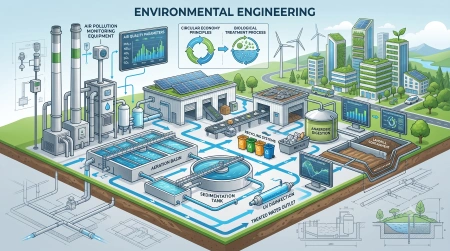
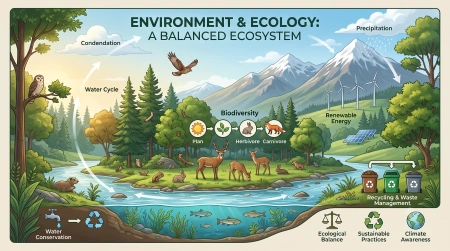
Environmental Issues refer to the wide range of problems and challenges arising from human activities and natural processes that negatively impact the Earth's environment, ecosystems, biodiversity, and the health and well-being of all living organisms, including human beings. In the modern era, environmental issues have escalated dramatically due to rapid industrialization, population growth, urbanization, technological advancement, and unsustainable consumption patterns. These issues are not confined to individual nations but represent global crises that demand urgent, coordinated, and collective action from governments, industries, communities, and individuals worldwide.Among the most critical environmental issues facing the world today is climate change, driven primarily by the emission of greenhouse gases such as carbon dioxide, methane, and nitrous oxide from burning fossil fuels, deforestation, and industrial processes. Global warming has led to rising sea levels, melting polar ice caps, extreme weather events, and disruptions to agricultural systems. Deforestation and habitat destruction have resulted in alarming rates of biodiversity loss, threatening the survival of countless plant and animal species. Air pollution, water pollution, and soil contamination — caused by industrial effluents, agricultural chemicals, and improper waste disposal — pose serious threats to public health and ecological balance. The growing problem of plastic pollution, particularly in oceans, has become a global environmental emergency affecting marine ecosystems worldwide.Addressing environmental issues requires a multi-pronged approach that combines policy reform, technological innovation, public education, and international cooperation. Transitioning to renewable energy sources such as solar, wind, and hydroelectric power is essential for reducing carbon emissions and combating climate change. Conservation programs, reforestation efforts, and the establishment of protected natural areas help restore biodiversity and ecosystem services. Sustainable agriculture, waste reduction, recycling, and the adoption of circular economy principles are critical for reducing pollution and resource depletion. International agreements such as the Kyoto Protocol, the Paris Agreement, and the Convention on Biological Diversity reflect global commitment to addressing environmental challenges. Environmental awareness and proactive action at every level of society are indispensable for preserving the planet's natural systems and ensuring a healthy, sustainable future for all generations to come.