4
Quizzes
Topic
Zoology
Zoology is the branch of biological science dedicated to the systematic study of animals — their structure, physiology, behavior, classification, evolution, distribution, and ecological relationships. As one of the oldest and broadest divisions of biology, zoology encompasses an extraordinarily vast range of subject ma...
100
Questions
3.8/ 5.0
No reviews yet
4
Learners
100% Free
Untimed & Flexible
About Zoology
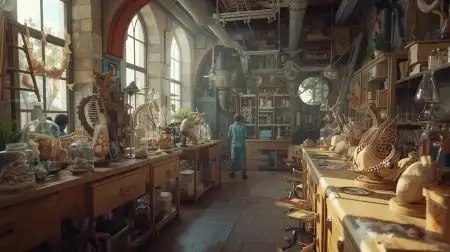
Zoology is the branch of biological science dedicated to the systematic study of animals — their structure, physiology, behavior, classification, evolution, distribution, and ecological relationships. As one of the oldest and broadest divisions of biology, zoology encompasses an extraordinarily vast range of subject matter, from the microscopic anatomy of single-celled protozoa to the complex behavioral patterns of large mammals, and from the evolutionary history of ancient extinct species preserved in the fossil record to the conservation of endangered wildlife in the modern era. The word "zoology" is derived from the Greek words "zoion" meaning animal and "logos" meaning study, reflecting its fundamental purpose of understanding the animal kingdom in all its remarkable diversity and complexity. Zoology is organized into numerous specialized sub-disciplines, each focusing on specific groups of animals or particular aspects of animal biology. Entomology is the study of insects, the most species-rich group of animals on Earth. Ornithology focuses on birds, while ichthyology studies fish, herpetology covers reptiles and amphibians, and mammalogy deals with mammals. Invertebrate zoology examines the vast diversity of animals without backbones, including insects, mollusks, worms, and crustaceans, which constitute the overwhelming majority of all animal species. At the physiological level, animal physiology explores how organ systems function in different animal groups, while comparative anatomy examines structural similarities and differences across species to understand evolutionary relationships. Ethology, the study of animal behavior, investigates instinct, learning, communication, social organization, mating strategies, and ecological adaptations in animals across diverse environments. Zoology plays a vital role in advancing human knowledge in medicine, conservation biology, agriculture, and environmental science. The study of animal models in biomedical research has led to breakthroughs in understanding human diseases, developing pharmaceuticals, and testing medical treatments. Zoological research informs wildlife conservation programs, helping to protect endangered species and restore degraded habitats. In agriculture, zoology contributes to pest control, animal breeding, veterinary science, and aquaculture. Zoologists also play a crucial role in documenting and cataloging biodiversity, with many thousands of new animal species still being discovered each year, particularly in underexplored tropical and deep-sea environments. As the world faces a global biodiversity crisis driven by habitat loss, climate change, pollution, and overexploitation, the knowledge generated by zoological research is more important than ever in guiding efforts to preserve the extraordinary diversity of animal life that makes our planet uniquely and irreplacably rich.
Zoology - Part 1
Not startedTest your knowledge with our fun and educational online quizzes across science, history, and more! (Part 1)
Start
Zoology - Part 2
Not startedTest your knowledge with our fun and educational online quizzes across science, history, and more! (Part 2)
Start
Zoology - Part 3
Not startedTest your knowledge with our fun and educational online quizzes across science, history, and more! (Part 3)
Start
Zoology - Part 4
Not startedTest your knowledge with our fun and educational online quizzes across science, history, and more! (Part 4)
Start
No quizzes match your search.
Community feedback
What Learners Say About This Topic
Real reflections from learners who practiced Zoology.
No approved reviews yet. Be the first to share your experience.
Format
Quiz Format & Structure
Each quiz is designed to comprehensively test your knowledge on the selected topic. Here's what you can expect:
All Questions Mandatory
You must answer all questions before submitting — no question can be left blank
Question Types
All questions are multiple choice with 4 options (A, B, C, D) where only one answer is correct
Quiz Length
Quizzes typically contain 10–25 questions depending on the category and difficulty
Equal Weightage
Each question carries equal marks for fair assessment of your knowledge
Review Option
Review all your answers before final submission to catch any mistakes
Question Locked
Cannot change or select another option after selection
Advice
Tips for Success
Read Questions Carefully
Take your time to read each question thoroughly. Since there's no time limit, make sure you understand what's being asked before selecting an answer.
Eliminate Wrong Options
If you're unsure, try eliminating options you know are incorrect. This increases your chances of selecting the right answer.
Trust Your First Instinct
Your first instinct is often correct. While you should be careful, avoid changing answers unless you're certain you made a mistake.
Review Before Submitting
Before hitting submit, review all your answers to ensure you haven't accidentally skipped any questions or made careless mistakes.
Learn from Mistakes
After viewing your results, take time to understand why you got certain questions wrong. This helps improve future performance.
Take Multiple Attempts
Don't worry about getting everything right the first time. Taking quizzes multiple times helps reinforce your knowledge.
Related topics
More in Explore the Animal World
Explore other sub topics and keep practicing across the subject.

Food chain
Understand the flow of energy and nutrients through ecosystems via producers, consumers, a...
View quizzes
Biodiversity
Understand the variety of life forms on Earth, including genetic, species, and ecosystem d...
View quizzes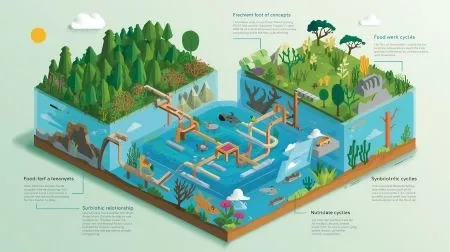
ECology
Understand the relationships between living organisms and their environment. Learn about e...
View quizzes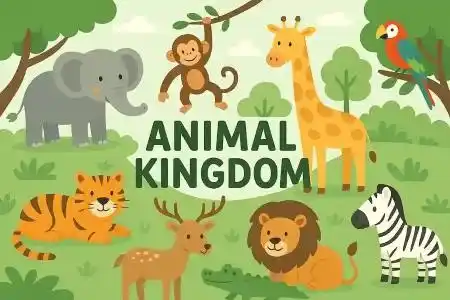
Animal Kingdom
Explore the fascinating world of animals, from microscopic organisms to complex mammals. L...
View quizzes