4
Quizzes
Topic
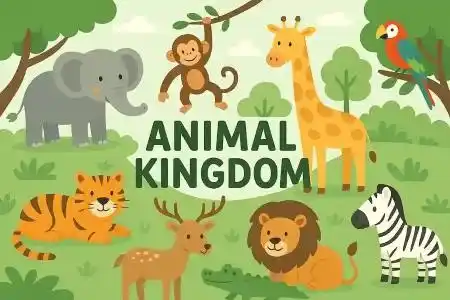
Animal Kingdom
Animal Kingdom is one of the most diverse and fascinating branches of biological science that deals with the study of animals — their classification, structure, behavior, evolution, and ecological roles. The animal kingdom, scientifically known as Animalia, encompasses millions of species ranging from microscopic inver...
99
Questions
4.5/ 5.0
No reviews yet
18
Learners
100% Free
Untimed & Flexible
About Animal Kingdom
Animal Kingdom is one of the most diverse and fascinating branches of biological science that deals with the study of animals — their classification, structure, behavior, evolution, and ecological roles. The animal kingdom, scientifically known as Animalia, encompasses millions of species ranging from microscopic invertebrates to massive blue whales, making it the largest and most varied kingdom among all living organisms on Earth. Animals are multicellular, eukaryotic organisms that obtain energy by consuming other organisms, distinguishing them from plants and other life forms.The animal kingdom is broadly classified into two major groups — Vertebrates and Invertebrates. Vertebrates include animals with a backbone, such as fish, amphibians, reptiles, birds, and mammals, while invertebrates — which make up nearly 95% of all animal species — include insects, worms, mollusks, and crustaceans. Each group is further divided based on body structure, reproduction, habitat, and physiological characteristics. This systematic classification helps scientists better understand the relationships and evolutionary history between different animal species across the globe.The study of the animal kingdom is essential for understanding biodiversity, ecological balance, and the functioning of natural ecosystems. Animals play critical roles as pollinators, decomposers, predators, and prey, maintaining the delicate balance of nature. Many animal species also hold significant economic, medicinal, and cultural importance for human civilization. However, rapid urbanization, deforestation, climate change, and poaching have pushed numerous species toward extinction. Conservation efforts and wildlife protection programs are therefore crucial to preserving the rich diversity of the animal kingdom for future generations.
Biological Classification - Part 1
Not startedLearn about the classification of living organisms, their taxonomy, and hierarchical organization in Biological Classification.
Start
Biological Classification - Part 2
Not startedLearn about the classification of living organisms, their taxonomy, and hierarchical organization in Biological Classification.
Start
Biological Classification - Part 3
Not startedLearn about the classification of living organisms, their taxonomy, and hierarchical organization in Biological Classification.
Start
Biological Classification - Part 4
Not startedLearn about the classification of living organisms, their taxonomy, and hierarchical organization in Biological Classification.
Start
No quizzes match your search.
Community feedback
What Learners Say About This Topic
Real reflections from learners who practiced Animal Kingdom.
No approved reviews yet. Be the first to share your experience.
Format
Quiz Format & Structure
Each quiz is designed to comprehensively test your knowledge on the selected topic. Here's what you can expect:
All Questions Mandatory
You must answer all questions before submitting — no question can be left blank
Question Types
All questions are multiple choice with 4 options (A, B, C, D) where only one answer is correct
Quiz Length
Quizzes typically contain 10–25 questions depending on the category and difficulty
Equal Weightage
Each question carries equal marks for fair assessment of your knowledge
Review Option
Review all your answers before final submission to catch any mistakes
Question Locked
Cannot change or select another option after selection
Advice
Tips for Success
Read Questions Carefully
Take your time to read each question thoroughly. Since there's no time limit, make sure you understand what's being asked before selecting an answer.
Eliminate Wrong Options
If you're unsure, try eliminating options you know are incorrect. This increases your chances of selecting the right answer.
Trust Your First Instinct
Your first instinct is often correct. While you should be careful, avoid changing answers unless you're certain you made a mistake.
Review Before Submitting
Before hitting submit, review all your answers to ensure you haven't accidentally skipped any questions or made careless mistakes.
Learn from Mistakes
After viewing your results, take time to understand why you got certain questions wrong. This helps improve future performance.
Take Multiple Attempts
Don't worry about getting everything right the first time. Taking quizzes multiple times helps reinforce your knowledge.
Related topics
More in Explore the Animal World
Explore other sub topics and keep practicing across the subject.
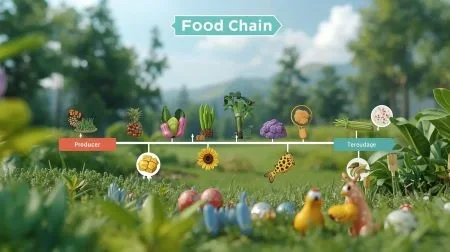
Food chain
Understand the flow of energy and nutrients through ecosystems via producers, consumers, a...
View quizzes
Zoology
Study the scientific classification, anatomy, physiology, and behavior of animals. Learn a...
View quizzes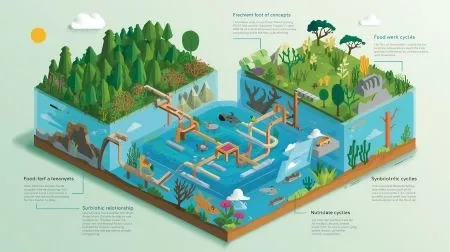
ECology
Understand the relationships between living organisms and their environment. Learn about e...
View quizzes
Biodiversity
Understand the variety of life forms on Earth, including genetic, species, and ecosystem d...
View quizzes