4
Quizzes

Topic
Botany
Botany is the scientific study of plants — encompassing their structure, physiology, growth, reproduction, metabolism, development, diseases, chemical properties, evolutionary history, ecology, and classification. Also known as plant biology or plant science, botany is one of the oldest branches of natural science, wit...
100
Questions
3.9/ 5.0
No reviews yet
7
Learners
100% Free
Untimed & Flexible
About Botany
Botany is the scientific study of plants — encompassing their structure, physiology, growth, reproduction, metabolism, development, diseases, chemical properties, evolutionary history, ecology, and classification. Also known as plant biology or plant science, botany is one of the oldest branches of natural science, with roots stretching back to ancient civilizations that relied on plants for food, medicine, and materials. The Greek philosopher Theophrastus, a student of Aristotle, is often regarded as the "Father of Botany" for his systematic descriptions and classifications of plants in ancient Greece. Over millennia, botany has evolved from simple plant identification and herbal medicine into a sophisticated and multidisciplinary science that intersects with genetics, biochemistry, ecology, evolutionary biology, and biotechnology to address fundamental questions about plant life and its relationship to human society and the natural world. The field of botany is organized into numerous specialized sub-disciplines, each examining different aspects of plant biology. Plant morphology studies the external forms and structures of plants, including roots, stems, leaves, flowers, fruits, and seeds. Plant anatomy examines the internal cellular and tissue organization of plant organs. Plant physiology investigates the biochemical and biophysical processes occurring within plants, including photosynthesis, respiration, transpiration, nutrient uptake, hormonal signaling, and responses to environmental stimuli such as light, gravity, and temperature. Plant ecology explores the relationships between plants and their biotic and abiotic environments, examining how plants compete for resources, interact with pollinators and herbivores, and contribute to ecosystem structure and function. Plant taxonomy and systematics focus on the identification, naming, classification, and evolutionary relationships of plant species, forming the foundation of botanical knowledge upon which all other sub-disciplines depend. Botany is of immense practical importance to human civilization and the health of the planet. Agriculture, which feeds the world's population, is entirely dependent on our botanical knowledge of crop plants — their growth requirements, nutritional composition, breeding potential, and susceptibility to pests and diseases. Ethnobotany documents the traditional knowledge of indigenous communities regarding the uses of plants for food, medicine, and cultural practices, preserving a vast repository of botanical wisdom accumulated over thousands of years. Plant-derived compounds form the basis of numerous pharmaceuticals, including pain relievers, heart medications, anticancer drugs, and antimalarials, making botanical research central to drug discovery and development. Forestry, horticulture, landscape design, and ecological restoration all draw upon botanical principles and knowledge. In the context of global environmental change, botany plays a crucial role in understanding how plant communities respond to rising temperatures, shifting precipitation patterns, elevated carbon dioxide levels, and habitat fragmentation. Plant conservation — particularly the preservation of wild plant genetic diversity in seed banks and botanical gardens — is vital for maintaining the raw materials needed for future crop improvement and ecosystem restoration. As global plant biodiversity faces unprecedented threats, the science of botany has never been more essential to the future of food security, human health, and the sustainability of Earth's ecosystems.
Botany - Part 1
Not startedTest your knowledge of plant biology, anatomy, and ecology with this engaging Botany quiz. (Part 1)
Start
Botany - Part 2
Not startedTest your knowledge of plant biology, anatomy, and ecology with this engaging Botany quiz. (Part 2)
Start
Botany - Part 3
Not startedTest your knowledge of plant biology, anatomy, and ecology with this engaging Botany quiz. (Part 3)
Start
Botany - Part 4
Not startedTest your knowledge of plant biology, anatomy, and ecology with this engaging Botany quiz. (Part 4)
Start
No quizzes match your search.
Community feedback
What Learners Say About This Topic
Real reflections from learners who practiced Botany.
No approved reviews yet. Be the first to share your experience.
Format
Quiz Format & Structure
Each quiz is designed to comprehensively test your knowledge on the selected topic. Here's what you can expect:
All Questions Mandatory
You must answer all questions before submitting — no question can be left blank
Question Types
All questions are multiple choice with 4 options (A, B, C, D) where only one answer is correct
Quiz Length
Quizzes typically contain 10–25 questions depending on the category and difficulty
Equal Weightage
Each question carries equal marks for fair assessment of your knowledge
Review Option
Review all your answers before final submission to catch any mistakes
Question Locked
Cannot change or select another option after selection
Advice
Tips for Success
Read Questions Carefully
Take your time to read each question thoroughly. Since there's no time limit, make sure you understand what's being asked before selecting an answer.
Eliminate Wrong Options
If you're unsure, try eliminating options you know are incorrect. This increases your chances of selecting the right answer.
Trust Your First Instinct
Your first instinct is often correct. While you should be careful, avoid changing answers unless you're certain you made a mistake.
Review Before Submitting
Before hitting submit, review all your answers to ensure you haven't accidentally skipped any questions or made careless mistakes.
Learn from Mistakes
After viewing your results, take time to understand why you got certain questions wrong. This helps improve future performance.
Take Multiple Attempts
Don't worry about getting everything right the first time. Taking quizzes multiple times helps reinforce your knowledge.
Related topics
More in Green Life
Explore other sub topics and keep practicing across the subject.

Plant Kingdom
Explore the classification, structure, and life processes of plants. Learn about photosynt...
View quizzes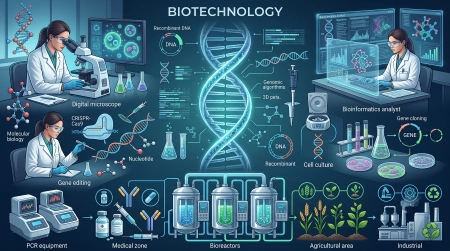
Bio Technology
Test your knowledge of biotechnology, including molecular biology, genetic engineering, mi...
View quizzes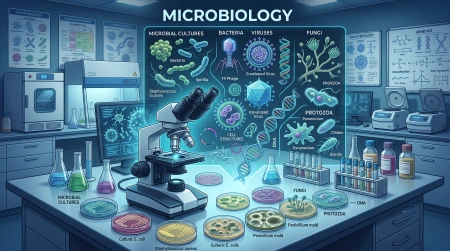
Microbiology
Test your knowledge of microbiology, including microorganisms, microbial structure, geneti...
View quizzes