MCQ Exam Test
  • Current affairs
  • Educational Development
  • Competitive exams
  • About Us
  • Contact Us
  • © 2026 mcqexamtest. All rights reserved.

    • About Us
    • Contact Us
    • Privacy Policy
    • Terms & Conditions
    • FAQ
    1. Home
    2. →
    3. Green Life
    📚

    Green Life

    "Green Life" is a call to action, focusing on practical sustainability and eco-conscious living. This category educates learners on how to reduce their carbon footprint through recycling, composting, energy conservation, and ethical consumerism. It explores the benefits of organic living, renewable energy adoption, and the "zero waste" philosophy. By offering actionable advice on making small, daily changes, this section empowers individuals to combat environmental degradation. It aims to shift mindsets from consumption to preservation, demonstrating how personal habits contribute collectively to the health of the planet and a sustainable future.

    Plant Kingdom

    Plant Kingdom

    Start Quiz
    0/3

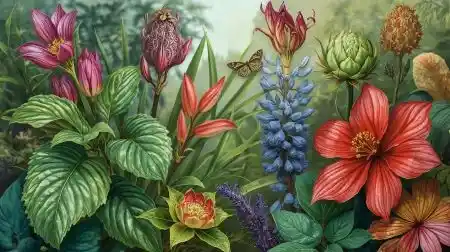
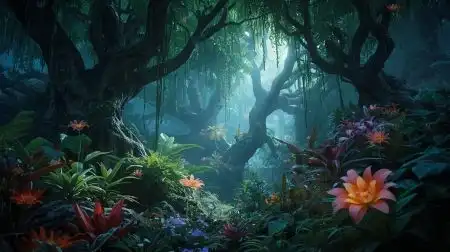
    Plant Kingdom encompasses all photosynthetic, multicellular, eukaryotic organisms that form the foundation of virtually every terrestrial and aquatic ecosystem on Earth. Scientifically classified under the kingdom Plantae, plants are an extraordinarily diverse group of living organisms ranging from microscopic mosses and delicate ferns to towering redwood trees and brilliantly colored flowering plants. With an estimated 390,000 known species and many more yet to be discovered, the plant kingdom represents one of the most species-rich and ecologically essential groups of organisms on the planet. Plants are unique among living organisms in their ability to manufacture their own food through the process of photosynthesis — converting sunlight, carbon dioxide, and water into glucose and oxygen — a process that forms the energetic foundation of nearly all food chains and is responsible for maintaining the oxygen-rich atmosphere that makes life on Earth possible. The plant kingdom is broadly classified into two major groups — non-vascular plants and vascular plants — based on the presence or absence of specialized tissue systems for conducting water and nutrients. Non-vascular plants, including mosses, liverworts, and hornworts, lack true roots, stems, and leaves and are typically found in moist environments. Vascular plants, which include the vast majority of plant species, possess specialized vascular tissues — xylem and phloem — that transport water, minerals, and organic nutrients throughout the plant body. Vascular plants are further divided into seedless vascular plants such as ferns and clubmosses, and seed-producing plants, which include gymnosperms (cone-bearing plants like pines and cycads) and angiosperms (flowering plants), the latter being the most diverse and evolutionarily successful group of plants on Earth, comprising over 80% of all known plant species. The plant kingdom is of immeasurable importance to human civilization and the natural world alike. Plants provide food, oxygen, medicine, timber, fiber, fuel, and countless other products that sustain human life and economic activity. Agriculture is entirely dependent on cultivated plant species, and the diversity of wild plant species provides the genetic resources necessary for developing new crop varieties. Many of the world's most important medicines — including aspirin, quinine, morphine, and numerous cancer-fighting compounds — are derived from plant species. Plants also play critical roles in regulating the global climate by absorbing carbon dioxide, preventing soil erosion through their root systems, maintaining the water cycle through transpiration, and providing habitat and food for millions of animal species. The study of plants, known as botany, continues to yield new discoveries of immense scientific, medical, and ecological value. However, rapid deforestation, habitat destruction, climate change, and the introduction of invasive species are threatening plant biodiversity at an alarming rate, making the conservation of the plant kingdom one of the most urgent environmental priorities of our time.

    Botany

    Botany

    Start Quiz
    0/4

    Botany is the scientific study of plants — encompassing their structure, physiology, growth, reproduction, metabolism, development, diseases, chemical properties, evolutionary history, ecology, and classification. Also known as plant biology or plant science, botany is one of the oldest branches of natural science, with roots stretching back to ancient civilizations that relied on plants for food, medicine, and materials. The Greek philosopher Theophrastus, a student of Aristotle, is often regarded as the "Father of Botany" for his systematic descriptions and classifications of plants in ancient Greece. Over millennia, botany has evolved from simple plant identification and herbal medicine into a sophisticated and multidisciplinary science that intersects with genetics, biochemistry, ecology, evolutionary biology, and biotechnology to address fundamental questions about plant life and its relationship to human society and the natural world. The field of botany is organized into numerous specialized sub-disciplines, each examining different aspects of plant biology. Plant morphology studies the external forms and structures of plants, including roots, stems, leaves, flowers, fruits, and seeds. Plant anatomy examines the internal cellular and tissue organization of plant organs. Plant physiology investigates the biochemical and biophysical processes occurring within plants, including photosynthesis, respiration, transpiration, nutrient uptake, hormonal signaling, and responses to environmental stimuli such as light, gravity, and temperature. Plant ecology explores the relationships between plants and their biotic and abiotic environments, examining how plants compete for resources, interact with pollinators and herbivores, and contribute to ecosystem structure and function. Plant taxonomy and systematics focus on the identification, naming, classification, and evolutionary relationships of plant species, forming the foundation of botanical knowledge upon which all other sub-disciplines depend. Botany is of immense practical importance to human civilization and the health of the planet. Agriculture, which feeds the world's population, is entirely dependent on our botanical knowledge of crop plants — their growth requirements, nutritional composition, breeding potential, and susceptibility to pests and diseases. Ethnobotany documents the traditional knowledge of indigenous communities regarding the uses of plants for food, medicine, and cultural practices, preserving a vast repository of botanical wisdom accumulated over thousands of years. Plant-derived compounds form the basis of numerous pharmaceuticals, including pain relievers, heart medications, anticancer drugs, and antimalarials, making botanical research central to drug discovery and development. Forestry, horticulture, landscape design, and ecological restoration all draw upon botanical principles and knowledge. In the context of global environmental change, botany plays a crucial role in understanding how plant communities respond to rising temperatures, shifting precipitation patterns, elevated carbon dioxide levels, and habitat fragmentation. Plant conservation — particularly the preservation of wild plant genetic diversity in seed banks and botanical gardens — is vital for maintaining the raw materials needed for future crop improvement and ecosystem restoration. As global plant biodiversity faces unprecedented threats, the science of botany has never been more essential to the future of food security, human health, and the sustainability of Earth's ecosystems.

    Explore More Categories

    Discover a wide range of quiz categories to test your knowledge and have fun!

    Computer Science & IT

    Computer Science & IT

    Covers Programming, Data Structures, Algorithms, Databases, Web Development, Networking, and Cybersecurity.

    Explore Category
    General Knowledge

    General Knowledge

    General Knowledge is a broad understanding of diverse subjects, facts, and current events that enhances awareness and learning.

    Explore Category
    Science

    Science

    Includes Physics, Chemistry, Biology, and General Science for school and competitive exams.

    Explore Category
    Astrobiology

    Astrobiology

    Explore the science of life beyond Earth with our Astrobiology Quiz — test your knowledge of space, planets, and the search for alien life.

    Explore Category
    History

    History

    Play History quizzes and test your knowledge of world events, empires, and civilizations through fun and challenging MCQs.

    Explore Category