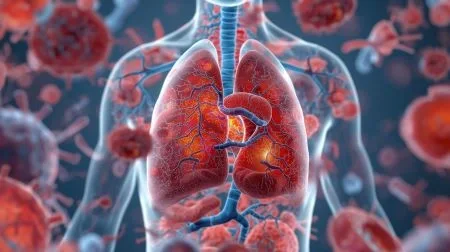
This category provides a holistic view of human biology and wellness, focusing on the intricate systems that keep the body functioning optimally. It covers a wide spectrum of topics including anatomy, nutritional science, disease pathology, and mental health awareness. Learners will gain practical knowledge regarding preventative healthcare, hygiene standards, and emergency first-aid procedures. By emphasizing the importance of both physical and psychological well-being, this section empowers individuals to make conscious lifestyle choices, understand medical advice, and contribute to a healthier community through informed personal care and public health awareness.

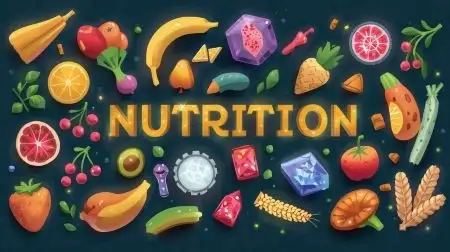
Nutrition and Minerals is the scientific study of the nutrients present in food and how the human body utilizes them to maintain health, support growth, and prevent disease. Nutrition encompasses the intake of macronutrients — carbohydrates, proteins, and fats — as well as micronutrients, including vitamins and minerals, all of which are essential for the proper functioning of the body's biological systems. A balanced and nutritious diet is the cornerstone of good health, providing the energy and raw materials the body needs to perform daily physical and mental activities. Minerals are inorganic nutrients that play critical roles in various physiological processes throughout the body. They are classified into two categories — macrominerals and trace minerals. Macrominerals such as calcium, phosphorus, magnesium, sodium, and potassium are required in larger amounts and are essential for building strong bones and teeth, regulating blood pressure, and maintaining fluid balance. Trace minerals, including iron, zinc, iodine, copper, and selenium, are needed in smaller quantities but are equally important for functions such as oxygen transport, immune response, thyroid regulation, and enzyme activity. Deficiencies in essential nutrients and minerals can lead to serious health disorders such as anemia (iron deficiency), rickets (calcium and vitamin D deficiency), goiter (iodine deficiency), and scurvy (vitamin C deficiency). On the other hand, excessive intake of certain minerals can also be harmful, leading to toxicity and organ damage. A well-balanced diet rich in fruits, vegetables, whole grains, lean proteins, and dairy products can help meet the body's nutritional and mineral requirements naturally. Understanding nutrition and minerals is fundamental to promoting public health, preventing chronic diseases, and ensuring the overall physical and mental well-being of individuals across all age groups.

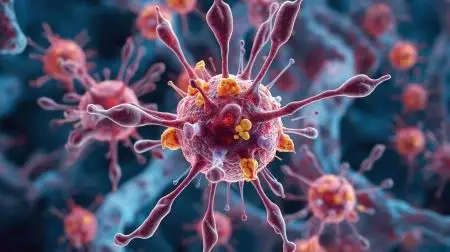
Human Health and Disease is a vital area of study in biological and medical science that focuses on understanding the conditions necessary for maintaining a healthy human body and the various factors that lead to illness and disease. Human health is defined not merely as the absence of disease but as a state of complete physical, mental, and social well-being, as described by the World Health Organization (WHO). Maintaining good health requires a balanced diet, regular physical activity, adequate sleep, proper hygiene, and a stress-free mental state, all working together to keep the body functioning optimally. Diseases are broadly classified into two major categories — communicable and non-communicable diseases. Communicable diseases, such as tuberculosis, malaria, cholera, influenza, and COVID-19, are caused by infectious agents like bacteria, viruses, fungi, and parasites and can spread from one person to another through air, water, food, or direct contact. Non-communicable diseases, including diabetes, hypertension, cardiovascular diseases, and cancer, are caused by lifestyle factors, genetic predisposition, or environmental influences and are not transmitted between individuals. Both categories pose significant public health challenges worldwide. The human immune system serves as the body's primary defense mechanism against diseases, identifying and neutralizing harmful pathogens and foreign substances. Vaccines, antibiotics, and modern medical treatments have played a transformative role in controlling and eradicating many deadly diseases throughout history. However, emerging threats such as antibiotic resistance, new viral strains, and lifestyle-related disorders continue to challenge global health systems. Preventive healthcare, early diagnosis, public health education, and access to quality medical facilities are essential strategies for reducing the burden of disease. Understanding human health and disease empowers individuals to make informed lifestyle choices and contributes to building healthier, more resilient communities around the world.

Human Health Vocabulary refers to the specialized set of terms, terminologies, and expressions used in the fields of medicine, healthcare, biology, and public health to communicate complex health-related concepts in a clear and precise manner. Just as every discipline has its own language, the field of human health relies on a vast and structured vocabulary that enables doctors, nurses, researchers, and healthcare professionals to accurately describe symptoms, diagnoses, treatments, medications, and medical procedures. A strong understanding of health vocabulary is essential for effective communication between medical professionals and patients alike.Health vocabulary encompasses a wide range of terms drawn from Latin and Greek roots, which form the foundation of most medical terminology. Prefixes, suffixes, and root words are combined to create specific medical terms that describe body parts, conditions, and procedures. For example, "cardio" refers to the heart, "derma" refers to the skin, and "ology" means the study of. Terms such as hypertension, tachycardia, osteoporosis, dyspnea, and myocardial infarction are commonly used in clinical settings and require precise understanding to ensure accurate diagnosis and treatment. Medical abbreviations, anatomical terms, and pharmaceutical nomenclature also form important components of health vocabulary. A strong command of human health vocabulary is not only important for medical professionals but also for patients, students, and the general public. Health literacy — the ability to understand and use health information effectively — is directly linked to better health outcomes and informed decision-making. In an era of rapidly advancing medical science, new terms related to genomics, biotechnology, immunology, and digital health are constantly being introduced. Educational institutions, public health campaigns, and medical training programs place great emphasis on building health vocabulary to bridge communication gaps between healthcare providers and the communities they serve, ultimately contributing to improved individual and public health standards.
Discover a wide range of quiz categories to test your knowledge and have fun!

Test your knowledge of recording, analyzing, and managing financial transactions.

Includes Physics, Chemistry, Biology, and General Science for school and competitive exams.

General Knowledge is a broad understanding of diverse subjects, facts, and current events that enhances awareness and learning.

Test your knowledge of farming, crops, and livestock with this fun and educational Agriculture Quiz.

Covers legal principles, rights, justice, and the system that governs society.