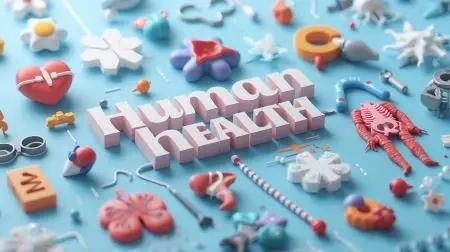
Human Health and Disease is a vital area of study in biological and medical science that focuses on understanding the conditions necessary for maintaining a healthy human body and the various factors that lead to illness and disease. Human health is defined not merely as the absence of disease but as a state of complete physical, mental, and social well-being, as described by the World Health Organization (WHO). Maintaining good health requires a balanced diet, regular physical activity, adequate sleep, proper hygiene, and a stress-free mental state, all working together to keep the body functioning optimally. Diseases are broadly classified into two major categories — communicable and non-communicable diseases. Communicable diseases, such as tuberculosis, malaria, cholera, influenza, and COVID-19, are caused by infectious agents like bacteria, viruses, fungi, and parasites and can spread from one person to another through air, water, food, or direct contact. Non-communicable diseases, including diabetes, hypertension, cardiovascular diseases, and cancer, are caused by lifestyle factors, genetic predisposition, or environmental influences and are not transmitted between individuals. Both categories pose significant public health challenges worldwide. The human immune system serves as the body's primary defense mechanism against diseases, identifying and neutralizing harmful pathogens and foreign substances. Vaccines, antibiotics, and modern medical treatments have played a transformative role in controlling and eradicating many deadly diseases throughout history. However, emerging threats such as antibiotic resistance, new viral strains, and lifestyle-related disorders continue to challenge global health systems. Preventive healthcare, early diagnosis, public health education, and access to quality medical facilities are essential strategies for reducing the burden of disease. Understanding human health and disease empowers individuals to make informed lifestyle choices and contributes to building healthier, more resilient communities around the world.
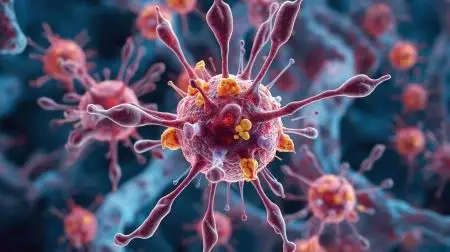
Understand common and major diseases affecting humans, including causes, symptoms, prevention, and treatment methods. Learn about infectious and non-infectious diseases, immunity, and healthcare practices. This category promotes awareness about maintaining good health and disease prevention.
Each quiz is designed to comprehensively test your knowledge on the selected topic. Here's what you can expect:
You must answer all questions before submitting - no question can be left blank
All questions are multiple choice with 4 options (A, B, C, D) where only one answer is correct
Quizzes typically contain 10-25 questions depending on the category and difficulty
Each question carries equal marks for fair assessment of your knowledge
Review all your answers before final submission to catch any mistakes
cannot change or select another option after selection
Take your time to read each question thoroughly. Since there's no time limit, make sure you understand what's being asked before selecting an answer.
If you're unsure, try eliminating options you know are incorrect. This increases your chances of selecting the right answer.
Your first instinct is often correct. While you should be careful, avoid changing answers unless you're certain you made a mistake.
Before hitting submit, review all your answers to ensure you haven't accidentally skipped any questions or made careless mistakes.
After viewing your results, take time to understand why you got certain questions wrong. This helps improve future performance.
Don't worry about getting everything right the first time. Taking quizzes multiple times helps reinforce your knowledge.
Explore more subcategories and test your knowledge!

Learn about essential nutrients, vitamins, and minerals required for proper body function and growth. Understand balanced diets, deficiency diseases, and the importance of healthy eating habits. This category helps build awareness about maintaining optimal health through proper nutrition.

Build your understanding of important medical and health-related terms used in healthcare and biology. Learn definitions, meanings, and correct usage of common health vocabulary. This category improves medical knowledge and enhances clarity in understanding health-related discussions.