12
Quizzes
Topic
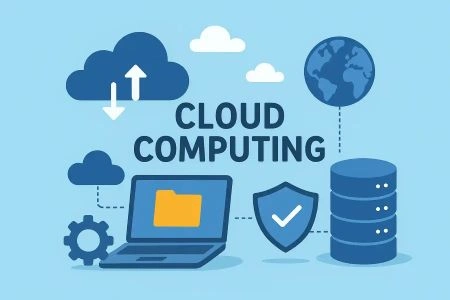
Cloud Computing
Cloud Computing is the delivery of computing services — including servers, storage, databases, networking, software, analytics, and artificial intelligence — over the internet, commonly referred to as "the cloud." Instead of owning and maintaining physical hardware and infrastructure, individuals and organizations can...
299
Questions
4.5/ 5.0
No reviews yet
20
Learners
100% Free
Untimed & Flexible
About Cloud Computing
Cloud Computing is the delivery of computing services — including servers, storage, databases, networking, software, analytics, and artificial intelligence — over the internet, commonly referred to as "the cloud." Instead of owning and maintaining physical hardware and infrastructure, individuals and organizations can access these resources on demand from cloud service providers such as Amazon Web Services, Microsoft Azure, and Google Cloud Platform, paying only for what they use. Cloud computing operates on three primary service models: Infrastructure as a Service (IaaS), Platform as a Service (PaaS), and Software as a Service (SaaS). Each model offers different levels of control, flexibility, and management, catering to the diverse needs of businesses and developers. It can be deployed as a public cloud, private cloud, or hybrid cloud, depending on the security and operational requirements of an organization. The benefits of cloud computing are vast and transformative. It offers unmatched scalability, allowing businesses to expand or reduce resources instantly based on demand. It significantly reduces operational costs by eliminating the need for expensive on-site hardware and IT maintenance. Cloud computing also enhances collaboration, enabling teams across different locations to work together in real time. With built-in backup and disaster recovery features, it ensures data security and business continuity. In today's fast-paced digital world, cloud computing has become the foundation of modern technology infrastructure, driving innovation across industries.
Cloud Computing - part 1
Not startedLearn the fundamentals of cloud computing, its services, deployment models, and benefits in modern IT infrastructure.
Start
Cloud Computing - part 2
Not startedLearn the fundamentals of cloud computing, its services, deployment models, and benefits in modern IT infrastructure.
Start
Cloud Computing - part 3
Not startedLearn the fundamentals of cloud computing, its services, deployment models, and benefits in modern IT infrastructure.
Start
Cloud Computing - part 4
Not startedLearn the fundamentals of cloud computing, its services, deployment models, and benefits in modern IT infrastructure.
Start
Cloud Computing - part 5
Not startedLearn the fundamentals of cloud computing, its services, deployment models, and benefits in modern IT infrastructure.
Start
Cloud Computing - part 6
Not startedLearn the fundamentals of cloud computing, its services, deployment models, and benefits in modern IT infrastructure.
Start
Cloud Computing - part 7
Not startedLearn the fundamentals of cloud computing, its services, deployment models, and benefits in modern IT infrastructure.
Start
Cloud Computing - part 8
Not startedLearn the fundamentals of cloud computing, its services, deployment models, and benefits in modern IT infrastructure.
Start
Cloud Computing - part 9
Not startedLearn the fundamentals of cloud computing, its services, deployment models, and benefits in modern IT infrastructure.
Start
Cloud Computing - part 10
Not startedLearn the fundamentals of cloud computing, its services, deployment models, and benefits in modern IT infrastructure.
Start
Cloud Computing - part 11
Not startedLearn the fundamentals of cloud computing, its services, deployment models, and benefits in modern IT infrastructure.
Start
Cloud Computing - part 12
Not startedLearn the fundamentals of cloud computing, its services, deployment models, and benefits in modern IT infrastructure.
Start
No quizzes match your search.
Community feedback
What Learners Say About This Topic
Real reflections from learners who practiced Cloud Computing.
No approved reviews yet. Be the first to share your experience.
Format
Quiz Format & Structure
Each quiz is designed to comprehensively test your knowledge on the selected topic. Here's what you can expect:
All Questions Mandatory
You must answer all questions before submitting — no question can be left blank
Question Types
All questions are multiple choice with 4 options (A, B, C, D) where only one answer is correct
Quiz Length
Quizzes typically contain 10–25 questions depending on the category and difficulty
Equal Weightage
Each question carries equal marks for fair assessment of your knowledge
Review Option
Review all your answers before final submission to catch any mistakes
Question Locked
Cannot change or select another option after selection
Advice
Tips for Success
Read Questions Carefully
Take your time to read each question thoroughly. Since there's no time limit, make sure you understand what's being asked before selecting an answer.
Eliminate Wrong Options
If you're unsure, try eliminating options you know are incorrect. This increases your chances of selecting the right answer.
Trust Your First Instinct
Your first instinct is often correct. While you should be careful, avoid changing answers unless you're certain you made a mistake.
Review Before Submitting
Before hitting submit, review all your answers to ensure you haven't accidentally skipped any questions or made careless mistakes.
Learn from Mistakes
After viewing your results, take time to understand why you got certain questions wrong. This helps improve future performance.
Take Multiple Attempts
Don't worry about getting everything right the first time. Taking quizzes multiple times helps reinforce your knowledge.
Related topics
More in Computer Science & IT
Explore other sub topics and keep practicing across the subject.
C++ Programming
C++ is a high-performance, general-purpose, statically-typed, and multi-paradigm programmi...
View quizzes
Embedded Systems
Learn about specialized computing systems designed to perform dedicated functions within d...
View quizzes
Internet
Test your knowledge of the Internet, including its basic concepts, services, protocols, co...
View quizzes
Microsoft Excel
Test your knowledge of Microsoft Excel, including spreadsheets, formulas, functions, data...
View quizzes