4
Quizzes
Topic
Embedded Systems
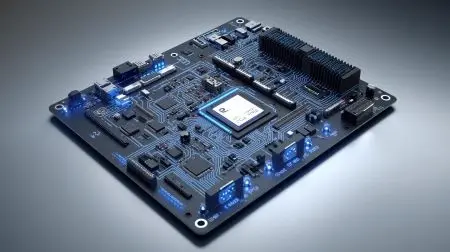
Embedded Systems are specialized computing systems designed to perform dedicated functions or a specific set of tasks within a larger mechanical, electrical, or electronic system, operating with real-time computing constraints and typically functioning without direct human intervention once deployed. Unlike general-pur...
100
Questions
4.6/ 5.0
No reviews yet
8
Learners
100% Free
Untimed & Flexible
About Embedded Systems
Embedded Systems are specialized computing systems designed to perform dedicated functions or a specific set of tasks within a larger mechanical, electrical, or electronic system, operating with real-time computing constraints and typically functioning without direct human intervention once deployed. Unlike general-purpose computers such as desktops and laptops, which are designed to run a wide variety of software applications, embedded systems are optimized for specific applications and are built directly into the devices they control, forming an integral part of the product's overall functionality. From the microcontrollers inside washing machines, microwave ovens, and digital cameras to the complex processors governing automotive engine management, aircraft flight control systems, medical implants, and industrial automation equipment, embedded systems are ubiquitous in modern technology, powering an estimated 98% of all microprocessors manufactured worldwide. An embedded system typically consists of several key components working in close integration — a microprocessor or microcontroller serving as the central processing unit, memory (both volatile RAM and non-volatile flash or ROM) for storing programs and data, input/output interfaces for interacting with sensors, actuators, displays, and communication peripherals, and an operating system or firmware that manages hardware resources and executes application software. Embedded operating systems such as FreeRTOS, VxWorks, Embedded Linux, and QNX are specifically designed for resource-constrained environments where processing power, memory, and energy consumption must be carefully managed. Real-time operating systems (RTOS) are particularly important in applications where the system must respond to inputs within strict and precise time constraints — such as in automotive braking systems, medical devices, and industrial control systems — where delayed responses could have catastrophic consequences. The design and development of embedded systems involves a unique set of engineering challenges and considerations that distinguish it from conventional software or hardware development. Engineers must carefully balance performance requirements with constraints on size, weight, power consumption, cost, and reliability, often working with highly resource-limited hardware platforms. Programming for embedded systems is typically done in low-level languages such as C and C++, requiring deep knowledge of hardware architecture, memory management, and real-time programming techniques. The testing and validation of embedded systems is particularly rigorous, especially in safety-critical applications in aerospace, automotive, medical, and nuclear domains, where system failures can have life-threatening consequences. The rapid growth of the Internet of Things (IoT) has dramatically expanded the scope and importance of embedded systems, connecting billions of smart devices — from home automation sensors and wearable health monitors to smart city infrastructure and industrial robots — into vast interconnected networks. As technology continues to advance toward greater miniaturization, intelligence, and connectivity, embedded systems will remain at the heart of the digital transformation shaping every aspect of modern life, industry, and society.
Embedded Systems - Part 1
Not startedTest your expertise in Embedded Systems, from microcontrollers to IoT and real-time design. (Part 1)
Start
Embedded Systems - Part 2
Not startedTest your expertise in Embedded Systems, from microcontrollers to IoT and real-time design. (Part 2)
Start
Embedded Systems - Part 3
Not startedTest your expertise in Embedded Systems, from microcontrollers to IoT and real-time design. (Part 3)
Start
Embedded Systems - Part 4
Not startedTest your expertise in Embedded Systems, from microcontrollers to IoT and real-time design. (Part 4)
Start
No quizzes match your search.
Community feedback
What Learners Say About This Topic
Real reflections from learners who practiced Embedded Systems.
No approved reviews yet. Be the first to share your experience.
Format
Quiz Format & Structure
Each quiz is designed to comprehensively test your knowledge on the selected topic. Here's what you can expect:
All Questions Mandatory
You must answer all questions before submitting — no question can be left blank
Question Types
All questions are multiple choice with 4 options (A, B, C, D) where only one answer is correct
Quiz Length
Quizzes typically contain 10–25 questions depending on the category and difficulty
Equal Weightage
Each question carries equal marks for fair assessment of your knowledge
Review Option
Review all your answers before final submission to catch any mistakes
Question Locked
Cannot change or select another option after selection
Advice
Tips for Success
Read Questions Carefully
Take your time to read each question thoroughly. Since there's no time limit, make sure you understand what's being asked before selecting an answer.
Eliminate Wrong Options
If you're unsure, try eliminating options you know are incorrect. This increases your chances of selecting the right answer.
Trust Your First Instinct
Your first instinct is often correct. While you should be careful, avoid changing answers unless you're certain you made a mistake.
Review Before Submitting
Before hitting submit, review all your answers to ensure you haven't accidentally skipped any questions or made careless mistakes.
Learn from Mistakes
After viewing your results, take time to understand why you got certain questions wrong. This helps improve future performance.
Take Multiple Attempts
Don't worry about getting everything right the first time. Taking quizzes multiple times helps reinforce your knowledge.
Related topics
More in Computer Science & IT
Explore other sub topics and keep practicing across the subject.
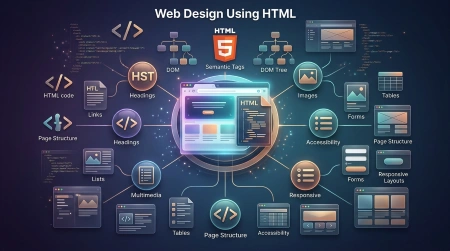
Web Design Using HTML
HTML (HyperText Markup Language) is the standard markup language used to create and struct...
View quizzes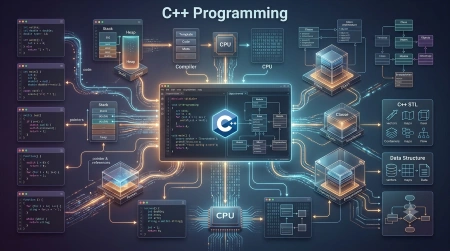
C++ Programming
C++ is a high-performance, general-purpose, statically-typed, and multi-paradigm programmi...
View quizzes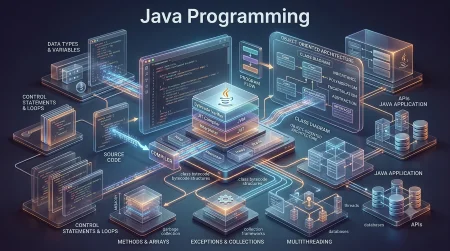
Java
Java is a popular, object-oriented programming language known for its portability, reliabi...
View quizzes
Javascript
JavaScript is a versatile, high-level programming language primarily used to create intera...
View quizzes