4
Quizzes
Topic
Aztec Civilization
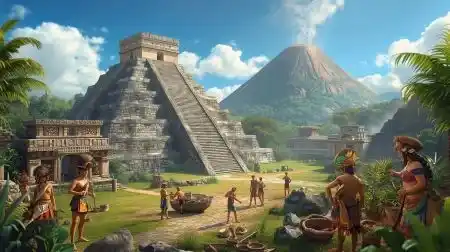
Aztec Civilization was one of the most powerful, sophisticated, and culturally vibrant civilizations of pre-Columbian Mesoamerica, flourishing in the central region of present-day Mexico from the 14th to the early 16th century CE. The Aztecs, also known as the Mexica, rose from humble origins as a nomadic tribe to buil...
100
Questions
3.8/ 5.0
No reviews yet
4
Learners
100% Free
Untimed & Flexible
About Aztec Civilization
Aztec Civilization was one of the most powerful, sophisticated, and culturally vibrant civilizations of pre-Columbian Mesoamerica, flourishing in the central region of present-day Mexico from the 14th to the early 16th century CE. The Aztecs, also known as the Mexica, rose from humble origins as a nomadic tribe to build one of the largest and most formidable empires of the ancient Americas, with their magnificent capital city of Tenochtitlan — built on an island in the middle of Lake Texcoco — becoming one of the largest and most impressive urban centers in the world at its height. At its peak, the Aztec Empire encompassed a vast territory spanning much of central and southern Mexico, governing millions of people through a complex system of tribute, military alliance, and political control. The Aztec civilization was characterized by a remarkably complex social structure, rich religious life, sophisticated agricultural practices, and extraordinary artistic and architectural achievements. Aztec society was hierarchically organized, with the emperor — known as the tlatoani — at the apex, followed by nobles, priests, warriors, merchants, artisans, commoners, and slaves. Religion was central to Aztec life, with a complex pantheon of gods including Huitzilopochtli, the sun and war god, Quetzalcoatl, the feathered serpent deity, and Tlaloc, the rain god. Religious ceremonies, festivals, and rituals — including the controversial practice of human sacrifice, which the Aztecs believed was necessary to sustain the sun and maintain cosmic order — were integral to their spiritual worldview. The Aztec calendar system consisted of two interlocking cycles — the 365-day solar calendar and the 260-day ritual calendar — reflecting their deep understanding of astronomy and timekeeping. Aztec agricultural innovation was equally impressive, most notably the development of chinampas — artificial floating islands constructed in the shallow lake beds surrounding Tenochtitlan — which enabled highly productive farming in an otherwise inhospitable environment and supported the dense urban population of the capital. The Aztecs also built an extensive road network, a sophisticated market system centered on the great marketplace of Tlatelolco, and impressive architectural structures including towering pyramid temples such as the Templo Mayor in Tenochtitlan. Their system of education was remarkably inclusive, with mandatory schooling for both boys and girls regardless of social class — an achievement that stood in contrast to many contemporary civilizations. The Aztec Empire came to a dramatic and violent end with the arrival of Spanish conquistador Hernán Cortés in 1519, who formed alliances with rival indigenous groups and, aided by devastating epidemics of European diseases to which the indigenous population had no immunity, conquered Tenochtitlan in 1521. Despite the destruction of their empire, the legacy of the Aztec civilization endures powerfully in Mexican culture, identity, art, language, and national consciousness, making it one of the most celebrated and studied civilizations in the history of the Americas.
Aztec Civilization - Part 1
Not startedTest your knowledge of Aztec gods, myths, and legends in this engaging and educational quiz. (Part 1)
Start
Aztec Civilization - Part 2
Not startedTest your knowledge of Aztec gods, myths, and legends in this engaging and educational quiz. (Part 2)
Start
Aztec Civilization - Part 3
Not startedTest your knowledge of Aztec gods, myths, and legends in this engaging and educational quiz. (Part 3)
Start
Aztec Civilization - Part 4
Not startedTest your knowledge of Aztec gods, myths, and legends in this engaging and educational quiz. (Part 4)
Start
No quizzes match your search.
Community feedback
What Learners Say About This Topic
Real reflections from learners who practiced Aztec Civilization.
No approved reviews yet. Be the first to share your experience.
Format
Quiz Format & Structure
Each quiz is designed to comprehensively test your knowledge on the selected topic. Here's what you can expect:
All Questions Mandatory
You must answer all questions before submitting — no question can be left blank
Question Types
All questions are multiple choice with 4 options (A, B, C, D) where only one answer is correct
Quiz Length
Quizzes typically contain 10–25 questions depending on the category and difficulty
Equal Weightage
Each question carries equal marks for fair assessment of your knowledge
Review Option
Review all your answers before final submission to catch any mistakes
Question Locked
Cannot change or select another option after selection
Advice
Tips for Success
Read Questions Carefully
Take your time to read each question thoroughly. Since there's no time limit, make sure you understand what's being asked before selecting an answer.
Eliminate Wrong Options
If you're unsure, try eliminating options you know are incorrect. This increases your chances of selecting the right answer.
Trust Your First Instinct
Your first instinct is often correct. While you should be careful, avoid changing answers unless you're certain you made a mistake.
Review Before Submitting
Before hitting submit, review all your answers to ensure you haven't accidentally skipped any questions or made careless mistakes.
Learn from Mistakes
After viewing your results, take time to understand why you got certain questions wrong. This helps improve future performance.
Take Multiple Attempts
Don't worry about getting everything right the first time. Taking quizzes multiple times helps reinforce your knowledge.
Related topics
More in Civilizations
Explore other sub topics and keep practicing across the subject.
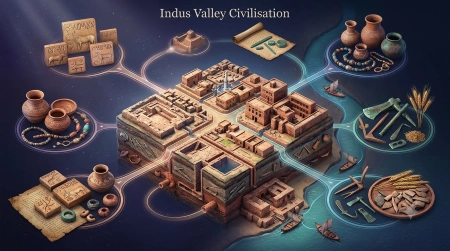
Indus Valley Civilisation
Indus Valley Civilisation — One of the world’s earliest urban civilisations, known for its...
View quizzes
African Civilization
Discover the rich history and diverse cultures of ancient African civilizations such as Eg...
View quizzes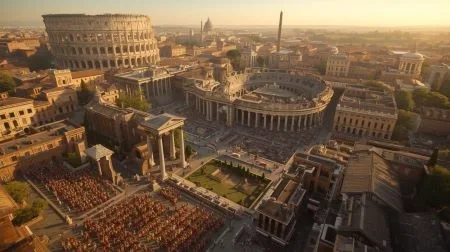
Roman Civilization
Examine the Roman Empire’s political systems, military strength, architecture, law, and cu...
View quizzes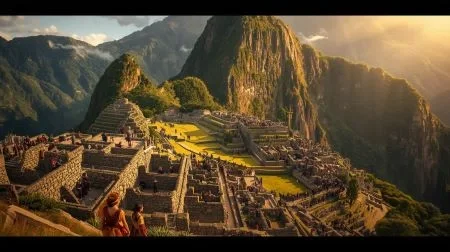
Incan Civilization
Learn about the powerful Incan Empire of South America, known for advanced engineering, ag...
View quizzes