4
Quizzes
Topic
Incan Civilization
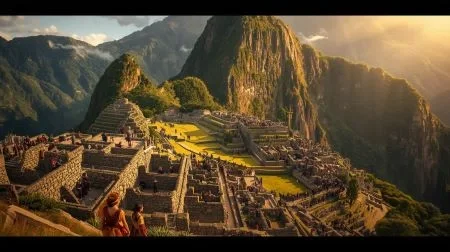
Incan Civilization was one of the most remarkable and powerful pre-Columbian civilizations in the Americas, flourishing primarily in the Andean region of South America between the 13th and 16th centuries CE. At its peak, the Inca Empire — known as Tawantinsuyu, meaning "The Four Regions" — was the largest empire in pre...
100
Questions
4.0/ 5.0
No reviews yet
4
Learners
100% Free
Untimed & Flexible
About Incan Civilization
Incan Civilization was one of the most remarkable and powerful pre-Columbian civilizations in the Americas, flourishing primarily in the Andean region of South America between the 13th and 16th centuries CE. At its peak, the Inca Empire — known as Tawantinsuyu, meaning "The Four Regions" — was the largest empire in pre-Columbian America, stretching across what are today the countries of Peru, Ecuador, Bolivia, Chile, Argentina, and Colombia. The Inca people were extraordinarily skilled administrators, engineers, architects, and agriculturists, building one of the most sophisticated and organized societies the ancient world had ever seen without the use of a written language or wheeled vehicles. The Inca Empire was governed by a supreme ruler known as the Sapa Inca, who was regarded as a divine descendant of the sun god Inti. The empire was organized into four administrative regions, each overseen by governors appointed by the Sapa Inca, creating a highly centralized and efficient system of governance. The Incas developed an impressive road network known as the Qhapaq Ñan — spanning over 40,000 kilometers across mountainous terrain — which facilitated communication, trade, and military movement throughout the empire. The quipu, a system of knotted strings, was used for record-keeping and communication in the absence of a conventional writing system. Agriculture was central to Incan society, with terraced farming systems called andenes enabling cultivation on steep Andean slopes and supporting a large population. The architectural achievements of the Inca civilization remain breathtaking even by modern standards. Machu Picchu, the legendary mountaintop citadel built in the 15th century, is perhaps the most iconic symbol of Incan ingenuity and is now recognized as one of the Seven Wonders of the Modern World. The Incas constructed massive stone structures using precisely cut stones fitted together without mortar, demonstrating extraordinary engineering skill. Their knowledge of astronomy, medicine, and textile weaving was also highly advanced. The Incan civilization came to an abrupt end with the arrival of Spanish conquistadors led by Francisco Pizarro in the 1530s, who exploited internal conflicts and used superior weaponry to conquer the empire. Despite its downfall, the legacy of the Incan civilization continues to inspire wonder and admiration, leaving behind a rich cultural heritage that remains central to the identity and pride of Andean communities today.
Incan Civilization - Part 1
Not startedTest your knowledge on the Incan Civilization, its history, culture, and achievements.
Start
Incan Civilization - Part 2
Not startedTest your knowledge on the Incan Civilization, its history, culture, and achievements.
Start
Incan Civilization - Part 3
Not startedTest your knowledge on the Incan Civilization, its history, culture, and achievements.
Start
Incan Civilization - Part 4
Not startedTest your knowledge on the Incan Civilization, its history, culture, and achievements.
Start
No quizzes match your search.
Community feedback
What Learners Say About This Topic
Real reflections from learners who practiced Incan Civilization.
No approved reviews yet. Be the first to share your experience.
Format
Quiz Format & Structure
Each quiz is designed to comprehensively test your knowledge on the selected topic. Here's what you can expect:
All Questions Mandatory
You must answer all questions before submitting — no question can be left blank
Question Types
All questions are multiple choice with 4 options (A, B, C, D) where only one answer is correct
Quiz Length
Quizzes typically contain 10–25 questions depending on the category and difficulty
Equal Weightage
Each question carries equal marks for fair assessment of your knowledge
Review Option
Review all your answers before final submission to catch any mistakes
Question Locked
Cannot change or select another option after selection
Advice
Tips for Success
Read Questions Carefully
Take your time to read each question thoroughly. Since there's no time limit, make sure you understand what's being asked before selecting an answer.
Eliminate Wrong Options
If you're unsure, try eliminating options you know are incorrect. This increases your chances of selecting the right answer.
Trust Your First Instinct
Your first instinct is often correct. While you should be careful, avoid changing answers unless you're certain you made a mistake.
Review Before Submitting
Before hitting submit, review all your answers to ensure you haven't accidentally skipped any questions or made careless mistakes.
Learn from Mistakes
After viewing your results, take time to understand why you got certain questions wrong. This helps improve future performance.
Take Multiple Attempts
Don't worry about getting everything right the first time. Taking quizzes multiple times helps reinforce your knowledge.
Related topics
More in Civilizations
Explore other sub topics and keep practicing across the subject.
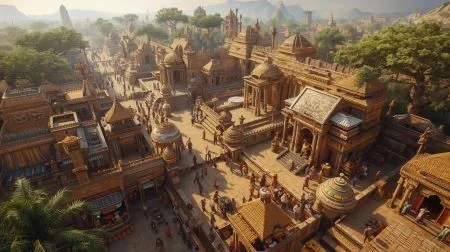
African Civilization
Discover the rich history and diverse cultures of ancient African civilizations such as Eg...
View quizzes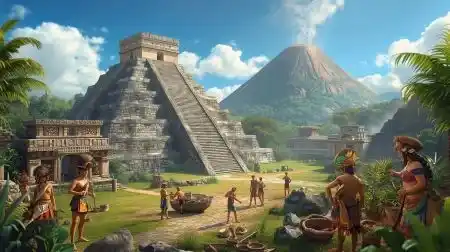
Aztec Civilization
Learn about the Aztec Empire of Mesoamerica, known for its capital Tenochtitlan, military...
View quizzes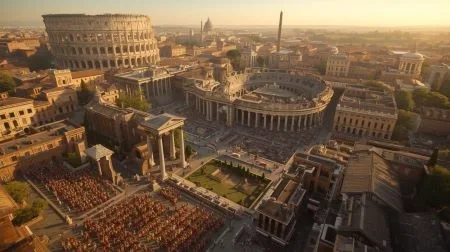
Roman Civilization
Examine the Roman Empire’s political systems, military strength, architecture, law, and cu...
View quizzes
Mayan Civilization
Explore the ancient Mayan civilization of Central America, known for astronomy, mathematic...
View quizzes